Physical Address
304 North Cardinal St.
Dorchester Center, MA 02124
Physical Address
304 North Cardinal St.
Dorchester Center, MA 02124

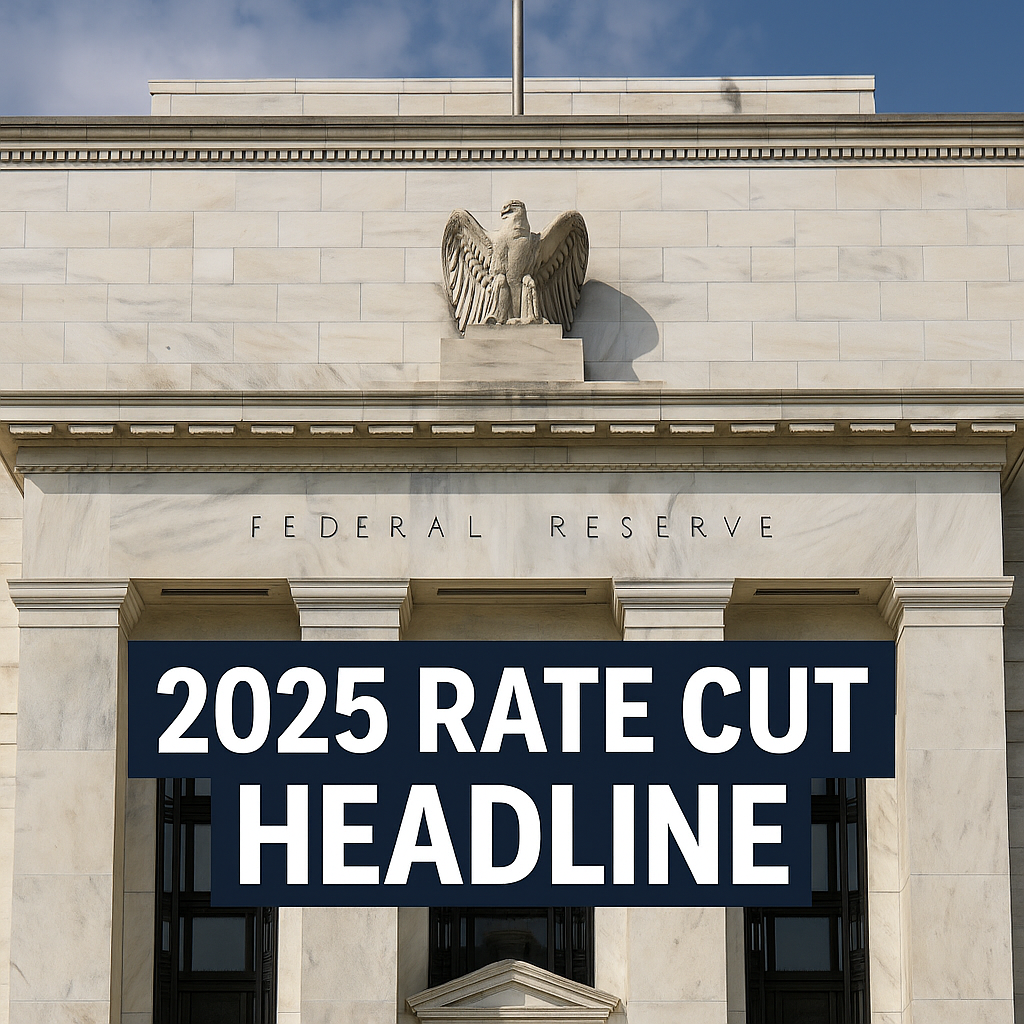
The Federal Reserve showed rare division at its latest policy meeting when new governor Miran, a recent Trump appointee, called for a half-point interest rate cut. His lone dissent stood in contrast to the rest of the Fed, which opted to hold steady, according to CNBC’s coverage of the meeting. The move highlights the debate within the central bank over how aggressively to respond to cooling inflation and slowing growth, and it raises new questions about what the Fed’s stance could mean for markets in 2025.
Miran’s call for a larger cut represents a challenge to the Fed’s recent cautious approach. Traditionally, dissent within the Federal Open Market Committee (FOMC) is limited, as policymakers strive to present a united front.
Miran’s stance highlights the ongoing tension between combating inflation and supporting growth. Even a single dissent can shape market expectations, as investors start speculating about whether others will join in future meetings.
A half-point rate cut is larger than the quarter-point adjustments the Fed often makes. The scale of the move can create ripple effects across financial markets.
For investors, understanding the half-point rate cut impact means preparing portfolios for both opportunities and risks.
Even with Miran’s dissent, the majority of the Fed is signaling a more measured path.
In essence, the Fed is walking a tightrope: move too slowly, and risk a recession; move too quickly, and reignite inflation. The Fed outlook 2025 will depend heavily on upcoming inflation reports and employment data.
The timing depends on incoming data. If inflation continues to cool and growth weakens, the Fed could cut rates in the next two to three meetings. If inflation remains sticky, cuts may be delayed until late 2025.
While dissent occurs occasionally, it is not common. Most meetings end with a unified decision. When dissent arises, it often signals broader debate that could shape future decisions. The FOMC dissent explained in this case shows a clash between new and established perspectives within the Fed.
To anticipate the Fed’s next moves, investors should keep an eye on three key indicators:
Portfolio strategies might include:
The Fed half-point cut dissent 2025 illustrates the uncertainty facing the central bank. While most officials remain cautious, even one dissent shows cracks in the consensus. For investors, the message is clear: the path of monetary policy is not set in stone, and flexibility will be key to navigating the months ahead.
This article is for informational purposes only and should not be taken as financial or investment advice. Always conduct your own research or consult with a financial professional before making investment decisions.